Buttery Christmas Shortbread
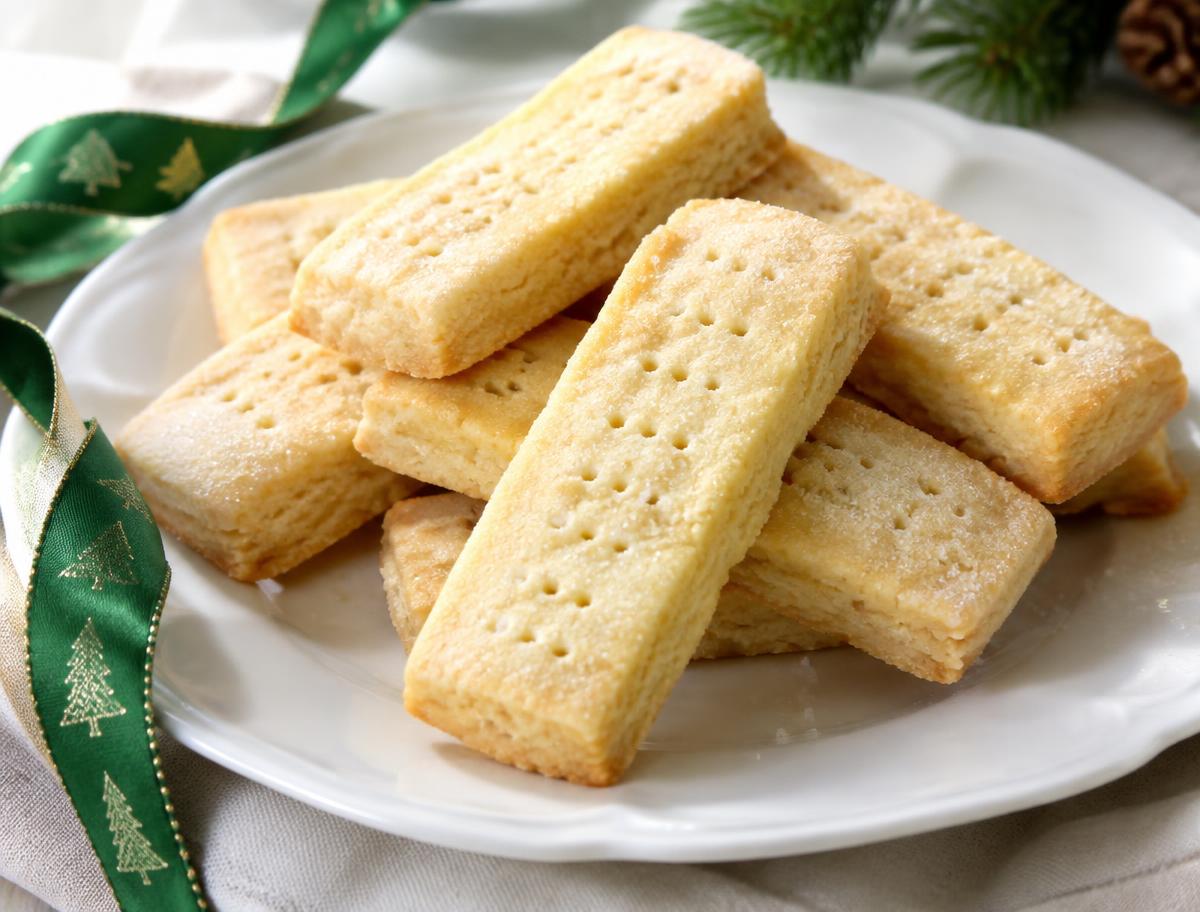
This Buttery Christmas Shortbread recipe makes a tinful of tender fingers with a gentle snap and a proper buttery flavour. Icing sugar keeps the texture fine, while a little cornflour gives that familiar crumbly bite. There is no rolling or cutting out: simply press the dough into a square tin, mark the fingers and bake until lightly golden.
For a hot South African Christmas, these are especially handy because you can bake them before the busy day and serve them without icing that might melt. Put a few beside iced coffee, offer them with fresh cherries, or pack them into small gift tins. The only trick in summer is keeping the dough cool enough that the butter stays soft rather than oily.
Ingredients
For the shortbread
For finishing
Instructions
- 1Line the base and sides of a 23 cm square metal baking tin with baking paper, leaving enough overhang to lift out the cooled shortbread.
- 2Beat the butter and icing sugar together with a wooden spoon or an electric mixer on low speed until smooth and creamy, about 1–2 minutes. Avoid beating until fluffy, as too much air makes the shortbread more fragile. Mix in the vanilla essence.
- 3Sift the cake flour and cornflour into the butter mixture. Stir gently until clumps form, then use your hands to bring them together into a soft dough. Do not knead; the warmth and pressure of your hands should be enough to bind it.
- 4Press the dough evenly into the lined tin, right into the corners. Smooth the surface with the back of a spoon, then refrigerate for 30 minutes. Meanwhile, heat the oven to 160°C conventional or 140°C fan.
- 5Using a sharp knife, score the chilled dough into 24 fingers: divide one side into 8 equal strips and the other into 3 rows. Cut about halfway through the dough. Prick each finger gently with a fork.
- 6Bake on the middle shelf for 40–45 minutes, until the surface looks dry, the edges are pale golden and the centre feels set rather than doughy. The shortbread should remain fairly pale; loosely cover with foil if the edges colour too quickly.
- 7Leave in the tin for 5 minutes, then sprinkle evenly with the caster sugar. Carefully cut all the way through along the scored lines while the shortbread is still warm, keeping the pieces in the tin.
- 8Allow to cool completely in the tin before lifting out with the baking paper and separating the fingers. Warm shortbread is fragile, so resist moving the individual pieces too soon.
Nutrition (per serving)
- Calories
- 155 kcal
- Carbohydrates
- 18.1 g
- Protein
- 1.2 g
- Fat
- 8.6 g
- Saturated fat
- 5.4 g
- Sugar
- 5.6 g
- Fibre
- 0.4 g
- Sodium
- 68 mg
- Cholesterol
- 22 mg
Estimated values based on the ingredients used.
Notes
Christmas tips
- Bake early in the morning when the kitchen is cooler. If the dough becomes greasy during mixing, refrigerate it for 10–15 minutes before pressing it into the tin.
- Make the shortbread up to a week ahead and store it, completely cooled, in an airtight tin in a cool cupboard. Keep it out of direct summer sunshine.
- For a festive variation, add the finely grated zest of one orange with the vanilla. Avoid adding juice, which changes the dough's texture.
- Pack gift tins only once the biscuits are cold, with baking paper between layers. Serve alongside chilled fruit for a simple hot-weather Christmas dessert.
Frequently asked questions
Can I use unsalted butter?
Yes. Replace the salted butter with the same weight of unsalted butter and add 2.5 ml fine salt with the flour. Use block butter rather than a spread for the most reliable texture.
Why is my shortbread dough crumbly?
This dough starts off crumbly. Gently squeeze a handful: it should hold together. If it does not, the butter may be too cold. Let the mixture stand briefly, then press it together again. Weigh the flour carefully and do not add water or milk.
Can I freeze the baked shortbread?
Yes. Freeze completely cooled fingers in an airtight container, separated by baking paper, for up to two months. Thaw in the closed container at room temperature, away from heat, before serving.