Traditional South African Milk Tart
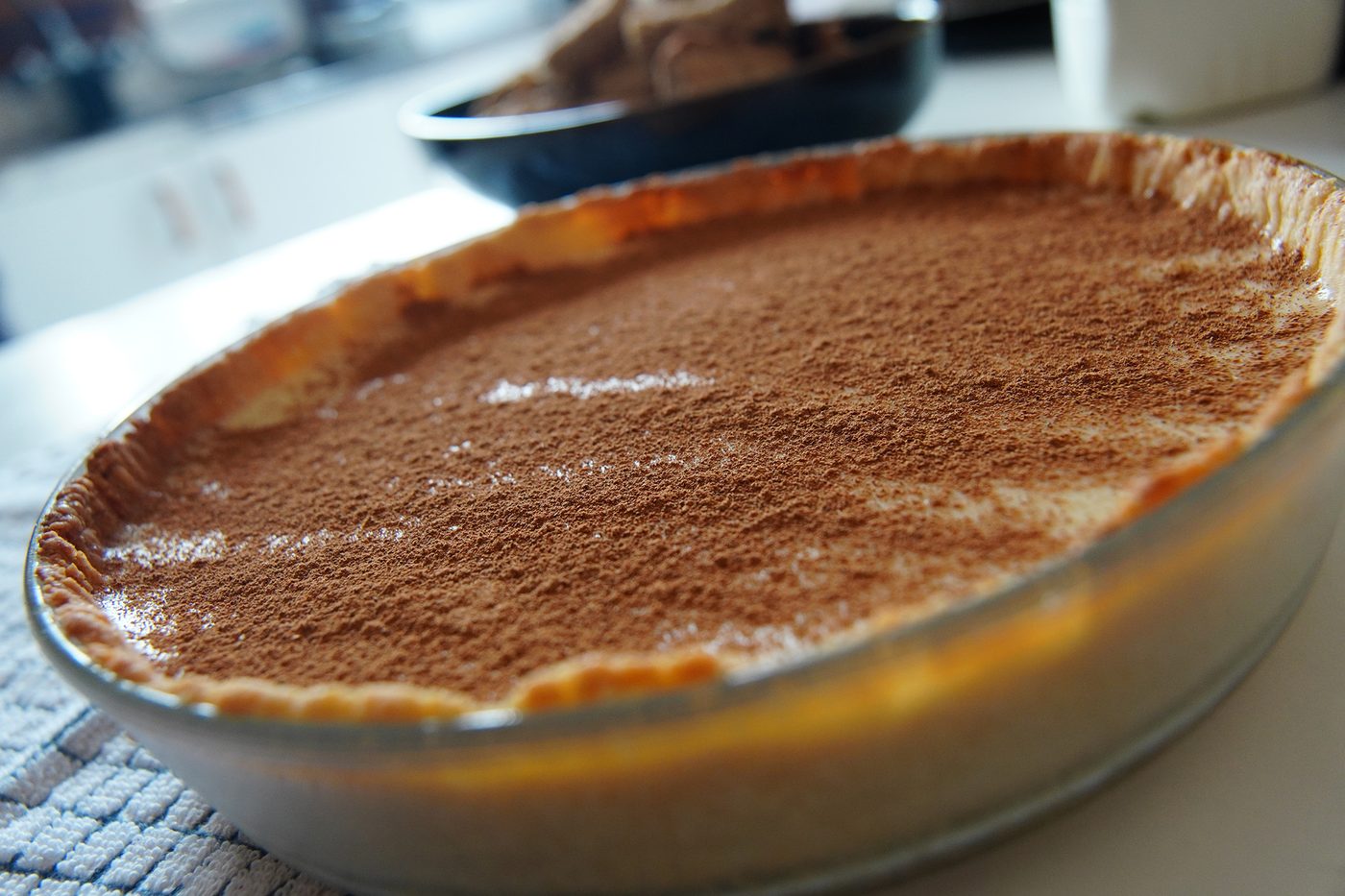
Tips for the Perfect Milk Tart
- Smooth texture: Whisk constantly while cooking the custard to prevent lumps.
- Light vs rich: Use condensed milk for a sweeter, richer version.
- Make ahead: Milk Tart keeps well in the fridge for up to 3 days — ideal for parties and family events.
Variations You Can Try
Crustless Milk Tart
Skip the pastry and pour the custard mixture directly into a buttered dish. Bake until set — lighter and gluten-free friendly.
Mini Milk Tarts
Prepare the recipe in muffin tins with biscuit bases for individual portions — great for tea tables or kids’ parties.
Flavour Twists
Infuse the milk with a cinnamon stick, lemon peel, or cardamom pods for a fragrant twist.
The History of Melktert
Milk Tart has its roots in Dutch settlers who arrived at the Cape in the 1600s. Over time, it became a staple South African dessert, cherished across cultural communities. Today, every family has their own recipe, passed down through generations — a true taste of home.
Serving Suggestions
Milk Tart is best served chilled, with a dusting of cinnamon and a cup of rooibos tea or coffee. It’s a versatile dessert that works just as well at Sunday lunch as it does at a festive celebration.
Printable Recipe Card
For quick access, save or print this recipe card and keep it in your kitchen for whenever the craving strikes.
Frequently Asked Questions (FAQs)
Q1: What is South African milk tart (melktert)?
Milk tart (melktert) is a South African dessert with a sweet pastry crust and a light, milky custard filling, usually finished with a dusting of cinnamon.
Q2: Is milk tart baked or is the filling cooked first?
Both methods exist. Some recipes bake the custard in the crust, while others cook the custard on the stove and pour it into the baked crust to set.
Q3: How do I stop the custard from going lumpy?
Whisk the dry ingredients with a little cold milk first, then add the hot milk slowly while whisking constantly, and keep stirring as it thickens.
Q4: Why is my milk tart runny after cooling?
It usually needs more cooking time to properly thicken, or more cooling time to fully set—milk tart firms up as it cools.
Q5: How do I prevent a skin forming on the custard?
Press plastic wrap directly onto the surface of the custard while it cools, then remove before adding cinnamon.
Q6: Can I use puff pastry instead of shortcrust pastry?
Yes, but it will be flakier and less “traditional” than shortcrust; blind-bake it well so the base stays crisp.
Q7: Can I make milk tart without eggs?
Yes—use cornflour/custard powder to thicken and add extra vanilla for flavour, but the texture will be slightly different from egg-based custard.
Q8: Why did my milk tart crack or weep (release liquid)?
Overheating or overbaking can cause the custard to split; keep the heat gentle and avoid boiling the custard once thickened.
Q9: How long does milk tart last in the fridge?
Store covered in the fridge for 3–4 days; the crust may soften over time, but the flavour is still great.
Q10: Can I freeze milk tart?
You can freeze it, but the custard texture may change slightly after thawing; for best results, freeze slices well wrapped and thaw overnight in the fridge.
Melktert Origins
The milk tart is believed to have originated in the 17th century with Dutch settlers in the Cape. It may have developed from the Dutch mattentaart, a cheesecake-like dessert from Thomas van der Noot’s 1514 cookbook. Early Dutch recipes may have included almond milk, which is why some recipes today still use almond essence.
Adoption and adaptation
The milk tart has been adopted and adapted by women from many cultures and backgrounds, and is now considered a national treasure.
Evolution
The basic milk tart recipe has evolved over time, and each baker has their own secret recipe.
Celebration
South Africa celebrates National Milk Tart Day to commemorate this dessert.
Ingredients
Pastry
Filling
Instructions
Pastry
- 1Cream the butter and sugar together until light and fluffy
- 2Add the egg and mix well
- 3Add the flour, baking powder and salt
- 4Mix to form a smooth dough. You need not overmix
- 5Press into a tart plate that has been well buttered so as to not stick
- 6Bake for 10 - 15 mins or until brown
Filling
- 1Add milk and butter to a saucepan and bring to the boil Be careful not to burn
- 2Mix the rest of the ingredients together to form a paste
- 3Add the paste to the milk on the stove and stir on a medium heat
- 4Once thickened removed from the stove and add to the pastry shell as soon as possible.
- 5Sprinkle generously with ground cinnamon
Nutrition (per serving)
- Calories
- 472 kcal
- Carbohydrates
- 62.7 g
- Protein
- 10 g
- Fat
- 20.4 g
- Saturated fat
- 12.1 g
- Sugar
- 34.7 g
- Fibre
- 1.3 g
- Sodium
- 196 mg
- Cholesterol
- 131 mg
Estimated values based on the ingredients used.