Articles
7 Festive Gammon Recipes to Centre Your South African Christmas Table
From classic honey-mustard to a spicy peri-peri braai finish, these seven festive gammon recipes are designed for a South African Christmas. Learn to choose, simmer, and glaze.
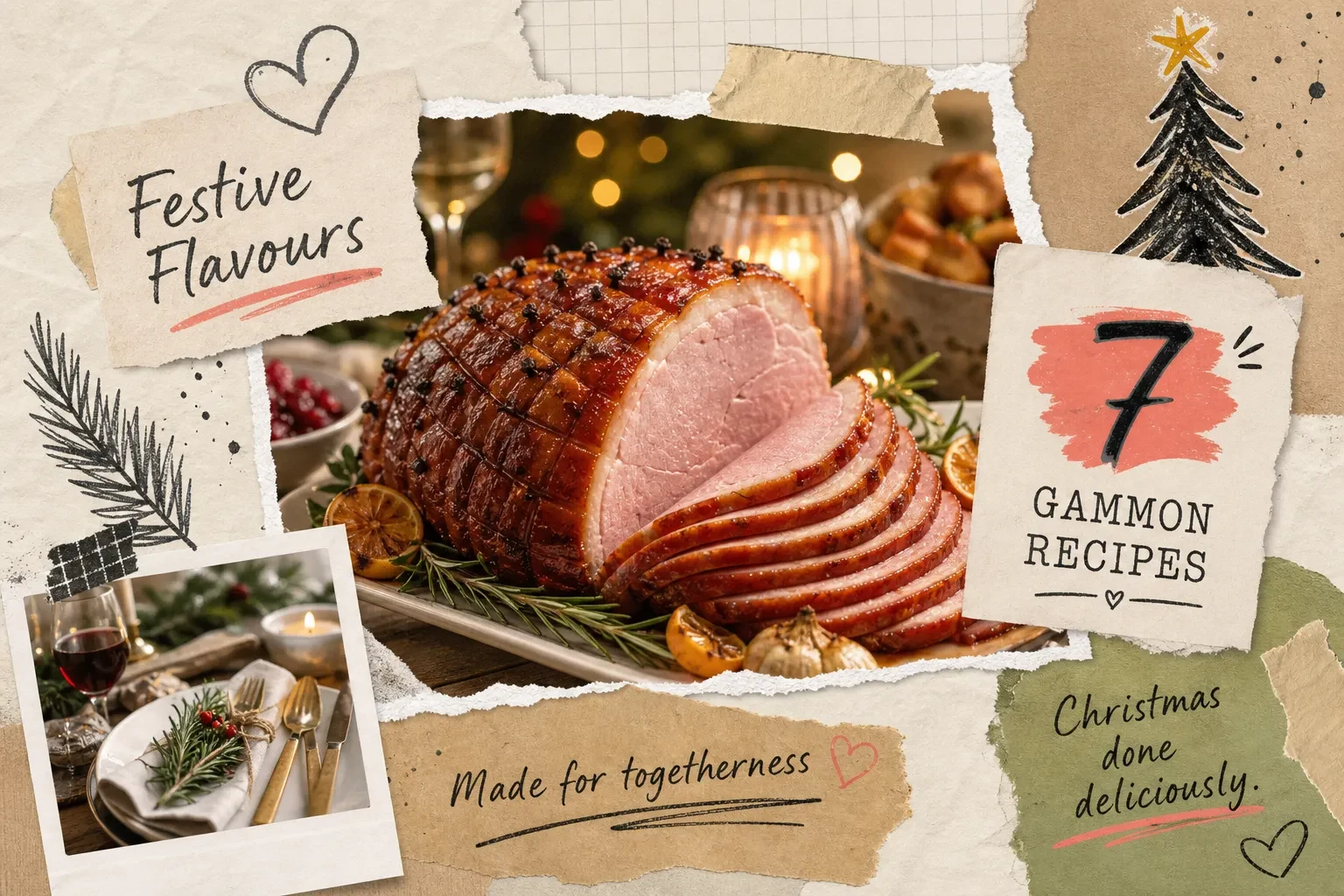
There is a moment, somewhere around midday on Christmas Eve, when your gammon recipes finally come together: the joint comes out of the pot and the whole house shifts. The smell hits first, sweet, salty, faintly smoky, and completely, unmistakably festive. It does not matter how many times you have cooked it. That smell still makes everyone wander into the kitchen to investigate.
For many South African households, gammon is the festive centrepiece. It feeds a crowd, it tastes even better the next day, and it works whether you are hosting a formal sit-down lunch or a chaotic outdoor braai with the neighbours. But getting it right, choosing the right joint, timing the simmer, nailing the glaze, can feel daunting, especially for first-time hosts who already have twelve other things on the go.
The seven gammon recipes in this guide are each designed around the rhythms of a South African summer Christmas. By the time you finish reading, you will know exactly which joint to buy, how long to cook it, how to finish it with a confident glaze, and how to feed the family generously on the leftovers for three days after.
Choosing and preparing your gammon joint
Bone-in vs boneless: what works best for a crowd
A bone-in gammon joint is more forgiving during the long cook, stays noticeably juicier, and creates the kind of centrepiece that makes people reach for their phones before they reach for their forks. Boneless is easier to carve and better suited to buffet-style slicing where neat portions matter. Both are excellent choices; the decision depends on your table setup.
When it comes to the type of cure, unsmoked gammon has a milder flavour that works with almost any glaze. Smoked gammon carries a deeper, richer character that pairs beautifully with sweeter glazes, honey, marmalade, or cola, which balance the smokiness rather than compete with it. At the butcher, look for a joint with a good, even fat cap rather than patchy coverage: that fat layer is what caramelises into the crust you are aiming for. As a rough guide, allow approximately 200–250g of uncooked gammon per person, depending on sides and appetite.
To soak or not to soak: prep before cooking
Many modern gammon joints are milder in salt than they were a generation ago, so the old tradition of an overnight soak in cold water is not always necessary. A short soak, around 30 minutes, is often sufficient for milder, shop-bought joints; saltier joints, or those bought from a traditional butcher, may benefit from several hours in cold water, changing it once along the way.
Before the joint goes anywhere near the oven, score the fat in a diamond pattern with a sharp knife. Cut through the fat but not into the meat below. This small step makes a significant difference to how the glaze seeps into the surface and caramelises during roasting. It is also what gives a finished gammon that classic, glossy, diamond-patterned look that photographs so well and tastes even better.
Getting the cooking right: timing, temperature and the two-step method
How long to simmer per kg
The most reliable way to cook gammon is in two stages: simmer first to cook the joint through gently, then finish in a hot oven with the glaze. This two-step method keeps the meat moist and gives you full control over the finished crust. For the simmer, use approximately 20 minutes per 450g plus 20 minutes as your baseline. Cola, apple juice, or water with aromatics such as onion, bay leaves, peppercorns, and cloves all work well as the simmering liquid and add quiet background flavour to the meat.
If you own a slow cooker, it is a useful alternative for the first stage: cook the joint on low for 6–8 hours with your chosen aromatics, then transfer directly to a hot oven to glaze and caramelise the surface. This hands-off approach is particularly convenient when oven space is at a premium on Christmas morning.
Here is a practical timing guide for the simmer stage so you can plan your Christmas Day without guesswork:
- 1 kg joint: approximately 1 hour 5 minutes simmering
- 1.5 kg joint: approximately 1 hour 27 minutes simmering
- 2 kg joint: approximately 1 hour 49 minutes simmering
Bone-in joints can take slightly longer than boneless at the same weight, so treat these timings as a guide rather than a guarantee. A meat thermometer is your real safety net.
The number that matters: safe internal temperature and resting
Gammon is safe to eat when the thickest point reads 75°C on a meat thermometer. Insert the probe away from any bone for an accurate reading. If the thermometer reads below 75°C, return the joint to the simmer for a further 10 minutes and check again before glazing. Once it hits that number, the joint is cooked through and ready for the final sticky, caramelised finish.
Resting the joint for 15 to 20 minutes before carving is not optional. It keeps the juices in the meat and makes carving significantly cleaner, which matters when you are trying to present a beautiful platter. For a South African Christmas, where guests tend to eat on their own schedule and the afternoon heat is real, that resting window also gives you breathing room to finish the potato salad, pour the Rock Shandy, and enjoy one quiet moment before the table fills up.
Seven festive gammon recipes for your Christmas table
Classic oven-glazed gammon recipes (recipes 1 to 3)
These three are the reliable, crowd-pleasing classics that belong on every South African Christmas table.
1. Honey-soetmosterd glazed gammon
This is the most South African glaze of them all, and the flavour most people here associate with Christmas gammon. Local soetmosterd (sweet mustard) and honey combine into something sticky, amber, and deeply satisfying, sweet, tangy, and just sharp enough to cut through the richness of the meat. The key is glazing in two stages. Brush on half the mixture when the joint first goes into the hot oven, then apply the remainder for the final 10 minutes at a slightly higher heat. The result is a crust that caramelises without burning and tastes like a proper South African Christmas.
2. Cola and brown sugar gammon
Simmering the joint in cola gives a gentle caramel sweetness and a subtle molasses depth that water alone cannot replicate. The cola works quietly in the background; you do not taste it directly, but you notice the difference in the finished meat. A thick paste of brown sugar and mustard spread over the scored fat before the final roast creates a dark, bubbling crust with very few ingredients. This is the recipe for anyone who wants a straightforward, foolproof result without a long list of specialist items.
3. Maple-mustard oven-roasted gammon
A mix of maple syrup and wholegrain mustard with a splash of red wine vinegar for balance, this glaze is sharper and more complex than the cola version, with a pleasant tartness that keeps the sweetness in check. It pairs especially well with smoked gammon, where the smokiness and the acidity of the glaze create a genuinely interesting combination. For a visually striking finish, press whole cloves into the scored fat before glazing. They add a warm aromatic note and lift the presentation from home-cooked to restaurant-worthy.
Braai-style, bold and chilled gammon variations (recipes 4 to 7)
This is where these gammon recipes earn their South African identity. A hot December day calls for something more than a conventional oven finish, and these four variations embrace braai culture, bold flavour, and the practical reality of summer entertaining.
4. Peri-peri braai gammon
Simmer the joint first using the same timing guide from the earlier section, then finish it on the braai over indirect heat while basting with a peri-peri butter glaze. Set up a two-zone fire, keep the gammon on the cooler side over a drip tray, and hold the temperature at around 120 to 140°C with the lid on. Begin glazing only once the internal temperature approaches 65°C, then baste every 15 minutes until the glaze is sticky and the joint is cooked through. The result is smoky, spicy, and completely different from any oven-finished gammon. This is the recipe for families who want a Christmas meal with a proper braai feel rather than a formal sit-down.
5. Sticky marmalade and ginger glaze
Bitter orange marmalade and freshly grated ginger make a glaze that cuts through the saltiness of gammon and gives the finished joint a jewel-like, caramelised surface. The bitterness of the marmalade balances the richness of the meat in a way that sweeter glazes sometimes do not, and the ginger adds a gentle warmth without chilli sharpness. This works equally well in the oven or on the braai and is the recipe to pull out when you want to give guests something a little more unexpected than the familiar honey-mustard finish.
6. Chilled gammon salad platter for the buffet table
At a South African Christmas buffet, cold food often disappears faster than hot. Cook the gammon the day before, refrigerate it overnight in an airtight container, and slice it cold onto a large platter with a honey-mustard dipping sauce on the side. Pair with summer leaves, sliced peaches or nectarines, and a simple lemon vinaigrette. This approach is leftover-style cooking at its most elegant, and it frees your oven completely on Christmas Day for everything else that needs heat.
7. Smoked gammon with chakalaka and mielie pap
This is the most South African plate on the list. A smoked gammon joint served alongside a robust chakalaka and soft, creamy mielie pap turns a Christmas main into something that feels deeply rooted in local food culture. The chakalaka, whether you make it from scratch with onions, peppers, curry powder, and baked beans or buy a good-quality jar, brings a spicy, vegetable-rich contrast to the sweet glaze. The mielie pap needs to be soft enough to hold its own against the bold gammon: cook it slowly with extra butter and season it generously.
Summer sides, drink pairings and gammon recipes for leftovers
Sides that pair with gammon recipes
A few sides consistently find their way onto South African Christmas tables alongside gammon. A creamy potato salad, made the day before so the flavours have time to develop, is essential. Braai broodjies or garlic rolls mop up the glaze and give the table something hands-on and relaxed. A crisp green salad with a sharp lemon dressing cuts through the richness of the gammon and keeps the spread feeling fresh rather than heavy.
Drink pairings and leftover ideas
Rock Shandy is a popular, refreshing South African Christmas drink alongside gammon, crowd-friendly and welcoming enough for the whole table regardless of age. For something stronger, a chilled Chenin Blanc works well with sweet glazes, and a light lager holds its own against spiced and peri-peri finishes.
When the Christmas table is cleared and the leftovers are in the fridge, a few quick ideas keep the festive feeling alive without any extra shopping. A toasted gammon and cheese sandwich with wholegrain mustard takes less than 10 minutes and is far better than it sounds. Cold rice and whatever vegetables are left from the day before come together into a quick gammon fried rice in under 20 minutes. For something more substantial, stir the last of the joint through a creamy pasta bake, it stretches the leftovers into a warm, satisfying meal that feels nothing like an afterthought. Each one is easy enough for the day after Christmas, when the last thing anyone wants to do is cook from scratch.
Gammon does not have to be stressful. With the right joint, a clear timing guide, and one of these seven glazes in your back pocket, the centrepiece genuinely takes care of itself. The two-step method gives you control. The thermometer gives you confidence. And the seven gammon recipes give you options for every kind of South African Christmas, whether you are hosting a formal lunch, a sprawling braai, or a relaxed buffet in the heat of a December afternoon.
Visit South African Christmas Recipes to explore more festive menu ideas. Everything you need is in one place, so you can spend less time planning and more time at the table.
The best Christmas tables are not perfect. They are generous, fragrant, and full of people who came hungry. Start with a good gammon and one of these gammon recipes, and everything else tends to follow.
More articles

How to make the classic rock shandy cocktail for your South African Christmas
South African Christmas Dinner: A Complete Festive Menu Guide

Classic melktert recipe with step-by-step photos for a silky custard and crisp pastry