Vetkoek
Introduction
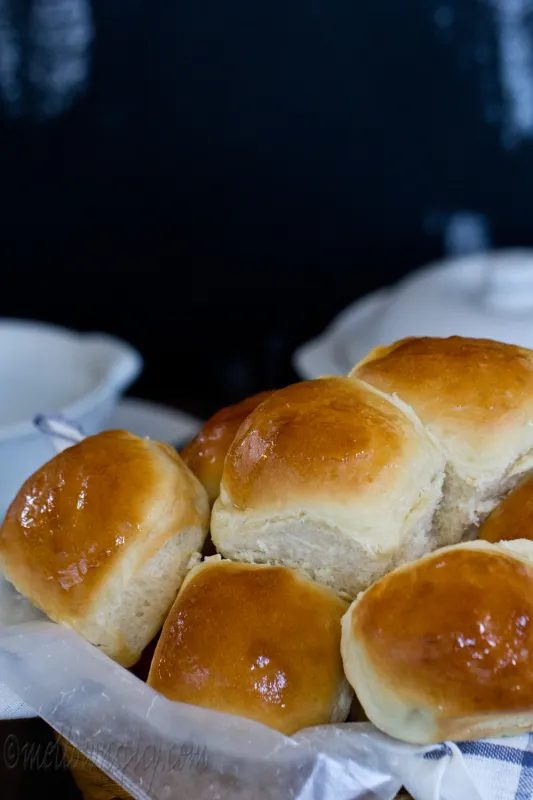
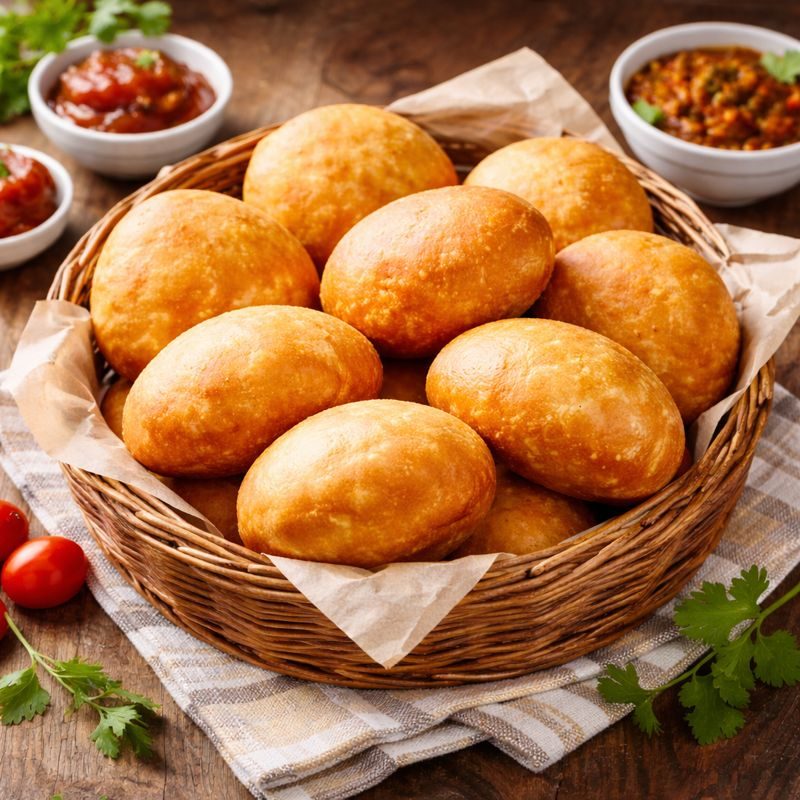
Vetkoek, meaning “fat cake” in Afrikaans, is a cherished South African staple—pillowy fried dough with a subtly crunchy exterior. Traditionally, it’s split open and filled with savory curried mince (mince vetkoek) or topped with sweet options like syrup or jam. Simple yet versatile, vetkoek are as comforting as they are indulgent, belonging on breakfast tables, street vendor carts, and Sunday family lunches alike.Despite their deep-fried nature, vetkoek shine as a hands-on, satisfying treat that unites generations. The dough is quick to prepare—water, flour, yeast (or baking powder), and a pinch of sugar—and soon transforms into golden spheres that you can fill any way you like.Tips & Techniques
- Dough consistency: Soft and slightly sticky yields the best texture. If it’s too stiff, the interior won’t be airy.
- Proper proofing: Let the dough rise until doubled (about 45–60 minutes), covering it to prevent drying, for airy vetkoek.
- Oil temperature: Fry at 170–180 °C—too hot browns the outside fast and leaves the inside doughy; too cool makes them greasy.
- Even shaping: Use a spoon or lightly floured hands to shape dough balls gently—overworking causes dense vetkoek.
- Drain well: Once cooked, transfer to paper towels or a rack to remove excess oil and maintain crispness.
- Keep warm: Store in a low oven (around 90 °C) until serving to preserve their fresh-out-of-the-oil softness.
Delicious Variations
Savoury Fillings
- Curried Mince: The classic—seasoned beef or lamb mince simmered with onions, spices, and tomato.
- Cheese & Chives: Fill with grated cheese and chopped spring onions for a simple, gooey version.
- Bacon & Egg: Scrambled eggs with crispy bacon tucked inside for a hearty breakfast option.
Sweet & Comforting
- Jam or Marmalade: Spread warm vetkoek with your favourite preserve—orange marmalade pairs beautifully.
- Cinnamon Sugar: Brush with melted butter and toss in cinnamon sugar while still warm.
- Honey & Nuts: Drizzle with honey and sprinkle chopped nuts for a crunchy finish.
Light & Specialty Twists
- Whole Wheat: Replace up to half the flour with whole-wheat flour for a nuttier flavour and texture.
- Herb Infusion: Add chopped fresh herbs like rosemary or thyme into the dough for a fragrant savoury variation.
- Air-Fried Option: For lighter vetkoek, brush dough balls with oil and bake or air-fry until puffed and golden.
Serving Suggestions
- Street-food style: Fill with spicy curried mince and dribble chutney or hot sauce over the top.
- Breakfast plate: Pair with scrambled eggs, cheesy vetkoek, and grilled tomatoes.
- Tea-time treat: Serve sweet-filled vetkoek with tea or coffee for a nostalgic afternoon snack.
- Family-style buffet: Provide a tray of vetkoek with various fillings for DIY assembly at gatherings.
Frequently Asked Questions (FAQs)
Q1: Are vetkoek like donuts or fat cakes?
Not exactly. Vetkoek are larger, denser, and traditionally filled. They’re closer to fried bread, whereas donuts are softer and sweeter.Q2: Why does vetkoek dough need proofing?
Proofing lets the dough relax and rise, ensuring vetkoek puff up and remain light rather than heavy or dense.Q3: Can I bake vetkoek or fat cakes instead of frying?
You can brush dough balls with oil and bake or air-fry, but they won’t have the same crisp exterior as fried vetkoek.Q4: Do vetkoek go soggy with moist fillings?
Yes—fill them just before serving or fill only halfway to keep textures distinct.Q5: How long do vetkoek or fat cakes stay fresh?
Best eaten warm. They soften after a few hours but can be refreshed briefly in an oven or toaster for crispness.Q6: Can I freeze vetkoek?
Yes—cool completely, then freeze unfilled dough balls or cooked vetkoek in an airtight bag; reheat directly from frozen.Nutritional Notes & Cultural Background
Vetkoek are rich in carbohydrates and fat due to frying, commonly balanced with protein-rich fillings like mince or eggs. They exemplify South African street food—handheld, hearty, versatile, and rooted in working-class tradition. Found at flea markets, school fundraisers, and backyard braais, vetkoek represent communal food comfort and culinary creativity.In Summary
Vetkoek are golden, fried dough delights—crispy outside and pillowy inside—fully customizable with savory or sweet fillings. With basic ingredients and a little care, they elevate from humble fare to beloved indulgence, perfect for family meals, gatherings, or warm nostalgia on a plate.Ingredients
Instructions
- 1In a large bowl, combine all the ingredients and knead until the dough is smooth and well combined.
- 2Cover the bowl with a clean cloth and let the dough rest for 1 hour, allowing it to rise.
- 3After the resting time, roll out the dough on a lightly floured surface to your desired thickness.
- 4Use a round cutter to cut out large circles from the dough.
- 5Heat oil in a deep pan over medium heat.
- 6Fry the dough circles in batches for 3-5 minutes, or until golden brown.
- 7Remove the fried dough from the oil and drain on paper towels.
Nutrition (per serving)
- Calories
- 330 kcal
- Carbohydrates
- 47.5 g
- Protein
- 7 g
- Fat
- 12.6 g
- Saturated fat
- 2.2 g
- Sugar
- 1.1 g
- Fibre
- 1.7 g
- Sodium
- 402 mg
- Cholesterol
- 0 mg
Estimated values based on the ingredients used.
Notes
Christmas tips
For a South African Christmas table, vetkoek works brilliantly as a flexible bread: serve it warm with savoury fillings at lunch, or set up a DIY topping station for guests. Make the dough earlier in the day, let it rise slowly in a cool spot, then shape and fry just before everyone sits down. Keep cooked pieces warm in a low oven, loosely covered, so they stay fluffy. Offer sweet and savoury spreads so it suits every course.
Frequently asked questions
Can I make vetkoek dough ahead of time?
Yes. Mix and knead earlier, then let it rise in the fridge overnight. Bring it back to room temperature before shaping, and allow a short second rise. This helps with flavour and makes Christmas-day timing easier.
How do I keep them soft for serving?
Drain briefly, then store in a cloth-lined bowl or tray, loosely covered. For a crowd, keep them warm in a low oven and avoid sealing them airtight, which can make the crust turn soggy.
What are good Christmas fillings or toppings?
Go festive: slices of gammon, a spoon of soetmosterd, or a sharp relish like chakalaka. For dessert, serve with jam or custard. A topping board lets guests build their own and keeps the meal relaxed.
Serve it with
Build a classic South African Christmas spread with these favourites:
- Gammon with Mustard & Apricot Glaze — Salty-sweet slices make perfect vetkoek fillings.
- Traditional Outydse Soetmosterd — Tangy mustard lifts fried bread and meats.
- Traditioinal Chakalaka — Spicy relish adds colour and crunch to stuffing.
- Traditional South African Milk Tart — Finish with a light, cinnamon-dusted Christmas dessert.