Slow Braaied Beef Brisket
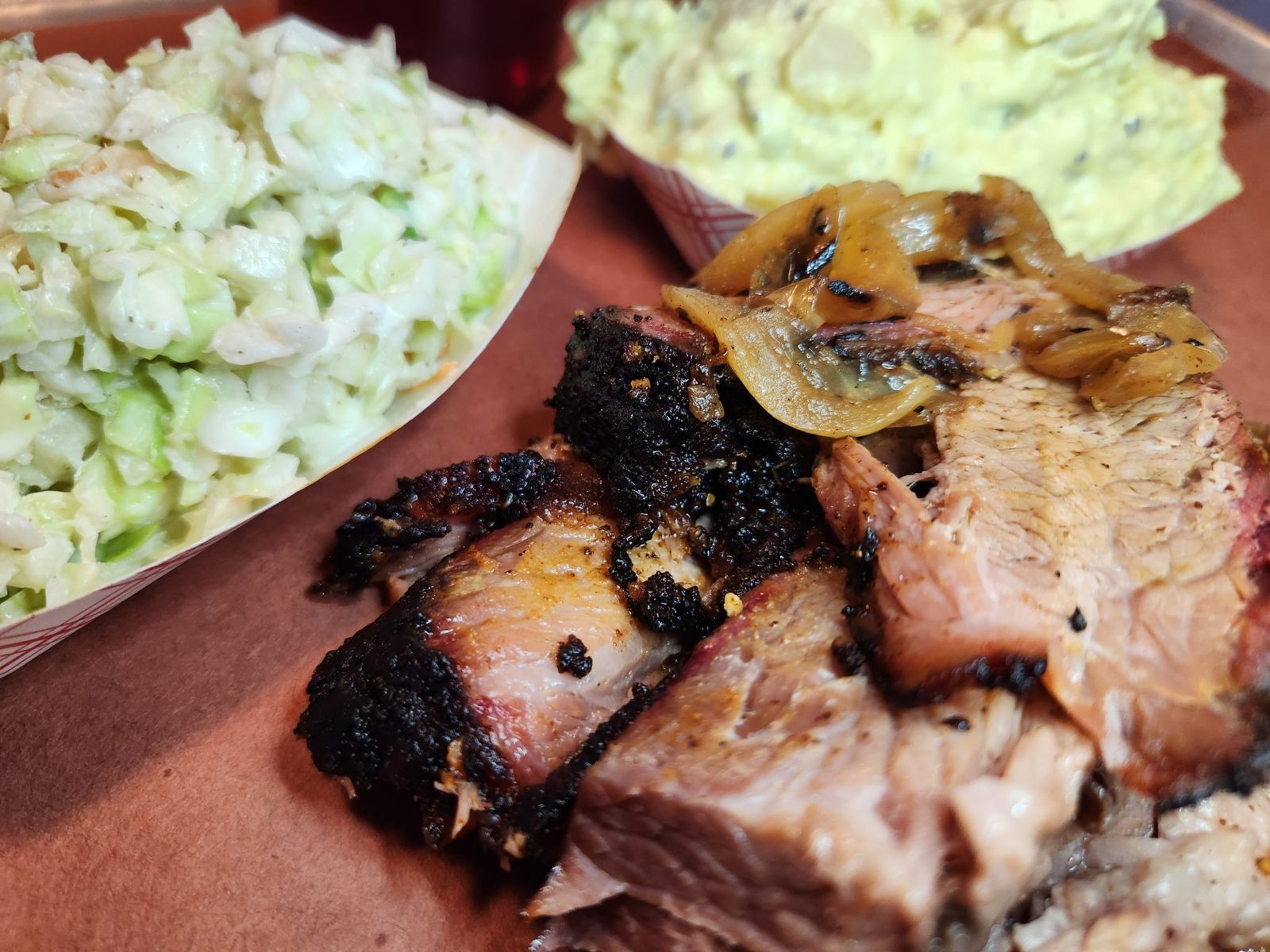
This Slow Braaied Beef Brisket recipe is made for a Christmas gathering where the cooking happens outside and nobody needs another hot oven in the kitchen. A simple rub of paprika, coriander and black pepper gives the beef a savoury crust, while steady, indirect heat does the patient work of softening it.
You will need a braai with a lid, a meat thermometer and enough charcoal for a long cook. Start very early for lunch, or cook the brisket the day before and reheat it gently. On a hot South African Christmas, serve thick slices with crunchy cabbage salad, tomato salad and soft rolls. Keep the sides chilled until serving, and let everyone help themselves to the beef and its warm juices.
Ingredients
Beef and rub
For the wrapped cooking stage
Instructions
- 1Trim any hard lumps of fat and loose, thin edges from the brisket, leaving an even fat layer about 5 mm thick. Note the direction of the meat grain before seasoning; a quick photograph helps when it is time to slice.
- 2Mix the salt, pepper, paprika, coriander, garlic powder and brown sugar. Rub the brisket with the oil, then coat evenly with the spice mixture. Prepare the braai while the seasoned beef waits in the fridge, or refrigerate it covered overnight.
- 3Set up a lidded charcoal braai for indirect cooking, with the coals banked to one side or on both sides and a drip tray beneath the cooking area without coals. Stabilise the temperature at 120–140°C, measured at grate level beside the meat. Have extra charcoal ready for replenishing.
- 4Place the brisket over the drip tray, not over the coals, with the fat layer towards the strongest heat. Close the lid and cook for about 4–5 hours. Maintain 120–140°C, adding lit charcoal as needed and keeping the lid closed as much as possible.
- 5Once the crust is dark and set, and the centre reads roughly 70–75°C, put the brisket in a sturdy foil roasting tray. Mix the stock, Worcestershire sauce and vinegar, pour around the beef without washing off the crust, and seal the tray tightly with heavy-duty foil. The temperature may pause for a while before this stage; do not raise the heat sharply to hurry it.
- 6Return the covered tray to indirect heat and continue cooking for about 3–5 hours, maintaining 120–140°C. Start checking tenderness when the centre reaches 92°C. It is ready when a thermometer probe slides into the thickest meat with very little resistance, usually at 93–96°C. Allow about 8–10 hours total cooking time, but use tenderness rather than the clock.
- 7Remove the tray from the braai and carefully open one corner of the foil to release steam for 10 minutes. Reseal and rest for 60–90 minutes. If holding it longer, use a low oven and check that the beef remains above 60°C.
- 8Lift the brisket onto a board. Pour the tray juices into a jug, let the fat rise and spoon off most of it. Taste the remaining juices; dilute with a little hot water if too salty.
- 9Slice the beef across the grain into slices about 5–8 mm thick. If the grain changes direction between muscles, separate them and turn each piece before slicing. Spoon over the warm juices and serve immediately.
Nutrition (per serving)
- Calories
- 591 kcal
- Carbohydrates
- 5 g
- Protein
- 58 g
- Fat
- 38 g
- Saturated fat
- 14 g
- Sugar
- 3 g
- Fibre
- 1 g
- Sodium
- 960 mg
- Cholesterol
- 180 mg
Estimated values based on the ingredients used.
Notes
Christmas tips
- Plan backwards from serving time: allow 30 minutes for preparation, roughly 9 hours for cooking and another 60–90 minutes for resting. A stubborn or especially thick brisket may take longer.
- For an easier Christmas morning, cook the beef the day before. Divide into manageable portions, pack with the juices in shallow containers and refrigerate promptly, within 2 hours of cooking or 1 hour if the weather is above 32°C. Reheat covered with the juices in a 150°C oven until the centre reaches 74°C.
- Serve with chilled salads and rolls rather than several hot sides. Bring salads out in small batches and keep refills in the fridge.
- Use the braai outdoors in a well-ventilated space, keep a spare supply of charcoal and check local fire restrictions before lighting it.
Frequently asked questions
Can I make this on an open braai without a lid?
A lid is needed to surround the brisket with steady heat. An open grid is likely to scorch the outside before the meat softens. If necessary, cook it on a lidded braai until wrapped, then finish the tightly covered tray in a 130°C oven.
Why is my brisket still tough after several hours?
Brisket needs time for its connective tissue to soften. Check that your cooking temperature is steady and continue cooking it covered until a probe enters with little resistance. A temperature reading alone does not guarantee tenderness.
How many people will a 3 kg brisket feed?
Allow about 10 servings with salads and rolls. Trimming and cooking reduce its weight considerably, and the final yield depends on the cut and its fat content. Refrigerate leftover beef promptly and use within 3–4 days, or freeze for later.