Pork Loin with Dried Fruit Stuffing
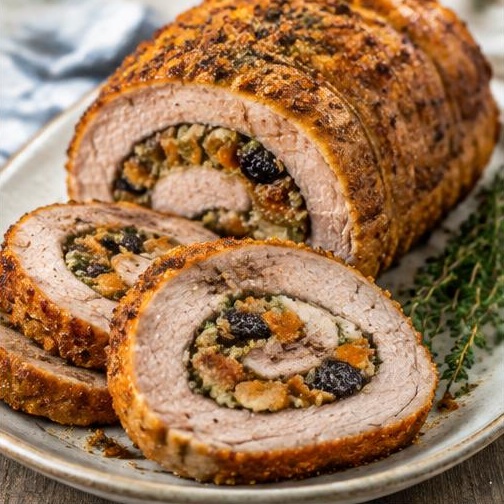
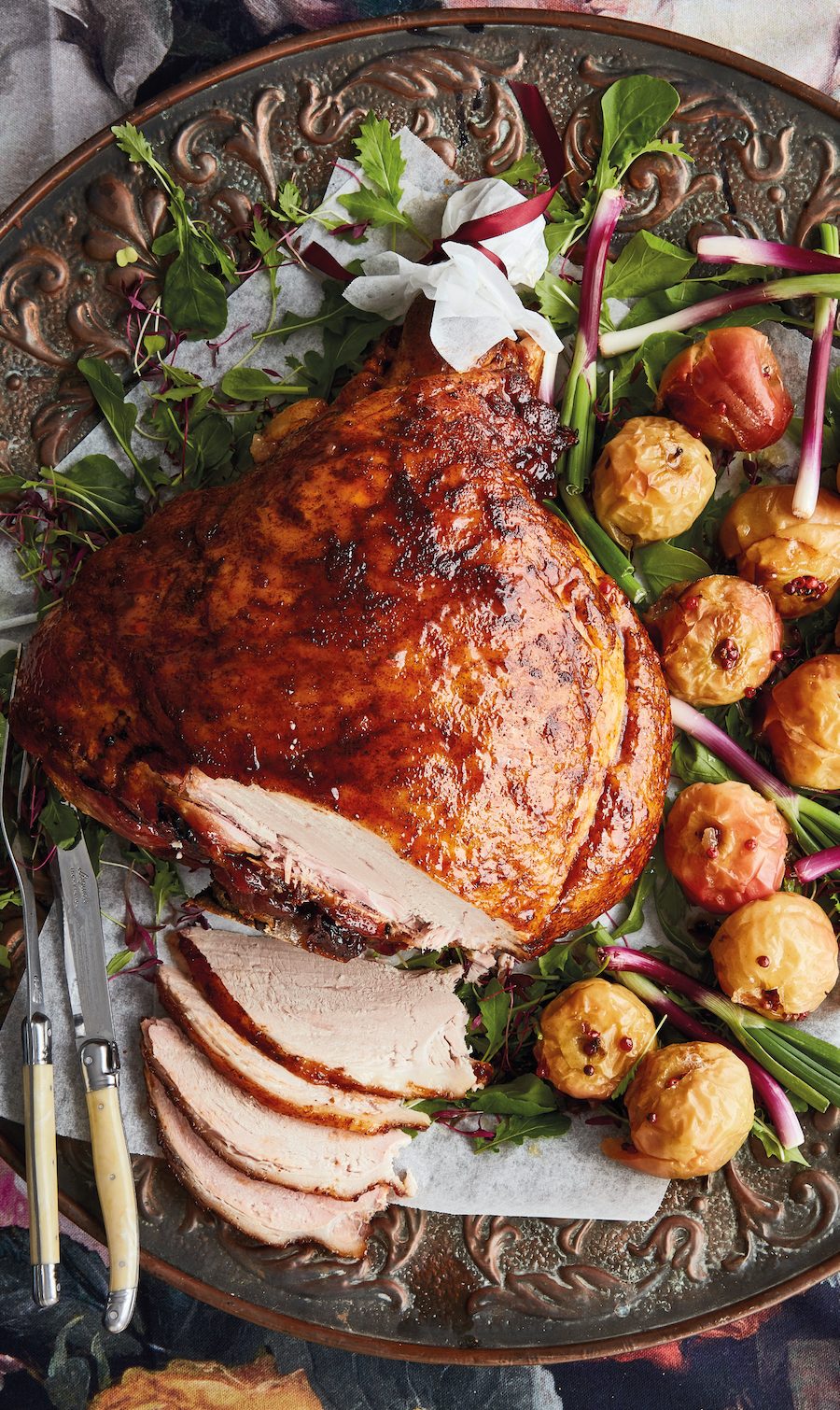
This Pork Loin with Dried Fruit Stuffing recipe brings a little sweet-and-savoury comfort to Christmas lunch without needing a table full of heavy sides. Dried apricots and prunes soften into the bread stuffing, while thyme, onion and orange zest keep the filling fragrant rather than overly sweet.
Ask your butcher for a boneless, rindless pork loin, butterflied for rolling, with a thin layer of fat left on the outside. That small bit of preparation makes the job much easier at home, especially when the kitchen is already busy.
For a hot South African Christmas, serve the pork with crunchy green salad and baby potatoes dressed with lemon. Roast it before guests arrive, then use its resting time to finish the cold sides.
Ingredients
Pork
Dried fruit stuffing
Instructions
- 1Heat the oven to 180°C, or 160°C fan. Have a shallow roasting tin, kitchen string and a meat thermometer ready. Take the pork out of the fridge while you prepare the stuffing.
- 2Put the apricots, prunes and orange juice in a small saucepan. Bring to a gentle simmer and cook for 3–4 minutes, stirring, until the fruit begins to soften and most of the juice is absorbed. Remove from the heat.
- 3Melt the butter in a frying pan over medium heat. Cook the onion for 6–8 minutes until soft but not browned, then add the garlic and cook for 1 minute.
- 4Combine the fruit and any remaining juice with the onion mixture, breadcrumbs, parsley, thyme, orange zest, stuffing salt and pepper. The mixture should hold together when pressed but should not be wet. Spread it on a plate and let it cool until no longer warm before filling the pork.
- 5Lay the pork open on a clean board, fat-side down. If necessary, gently flatten thicker patches with a rolling pin between sheets of baking paper. Spread the stuffing evenly over the meat, leaving a 2 cm border.
- 6Roll the pork snugly around the stuffing, keeping the fat on the outside. Tie with kitchen string at 3 cm intervals, then rub the outside with olive oil, salt and pepper.
- 7Place the pork seam-side down in the roasting tin and pour the water around it, not over it. Roast for 80–100 minutes, checking from 70 minutes. Add a little more water if the tin starts to dry out, and loosely cover the pork with foil if it browns too quickly.
- 8Check the temperature in several places, including the very centre of the stuffing and the thickest meat. For this stuffed roast, both must reach at least 74°C; continue roasting if needed. Thickness affects cooking time more than weight, so use the thermometer rather than the clock.
- 9Transfer to a clean board, cover loosely with foil and rest for 15–20 minutes. Remove the string and cut into thick slices with a sharp knife. Spoon over the hot tin juices if you like, and serve with crisp salads and baby potatoes.
Nutrition (per serving)
- Calories
- 430 kcal
- Carbohydrates
- 25 g
- Protein
- 42 g
- Fat
- 18 g
- Saturated fat
- 6 g
- Sugar
- 15 g
- Fibre
- 2.5 g
- Sodium
- 560 mg
- Cholesterol
- 125 mg
Estimated values based on the ingredients used.
Notes
Christmas tips
- Make the stuffing a day ahead, cool it promptly and refrigerate in a covered container. Keep the pork separate and chilled; fill and roll it just before roasting.
- For a summer Christmas table, pair the pork with cucumber salad, green beans or lemony baby potatoes rather than several hot vegetable dishes.
- Resting gives you a useful window to get salads out of the fridge. Do not leave the roast on a warm buffet for hours: refrigerate leftovers within 2 hours, or within 1 hour if the temperature is above 32°C.
- Refrigerate leftover slices in shallow, covered containers and eat within 3–4 days. Serve cold straight from the fridge, or reheat covered with a splash of water until the centre reaches 74°C.
Frequently asked questions
Can I use pork fillet instead of pork loin?
Not as a direct replacement. Pork fillet is much smaller and leaner, so it needs a different stuffing quantity and a much shorter cooking time. Ask for boneless pork loin rather than fillet for this recipe.
Can I swap the dried fruit?
Yes. Replace some or all of the apricots and prunes with the same total weight of chopped dried peaches, soft dried pears or seedless raisins. Firmer fruit may need a little extra orange juice and a longer simmer to soften.
Will this roast have crackling?
No. This recipe uses rindless loin with a thin fat layer, which browns during roasting but does not form crackling. Keeping the rind off also makes the stuffed roll easier to tie and slice neatly.