Sticky Glazed Christmas Pork Belly
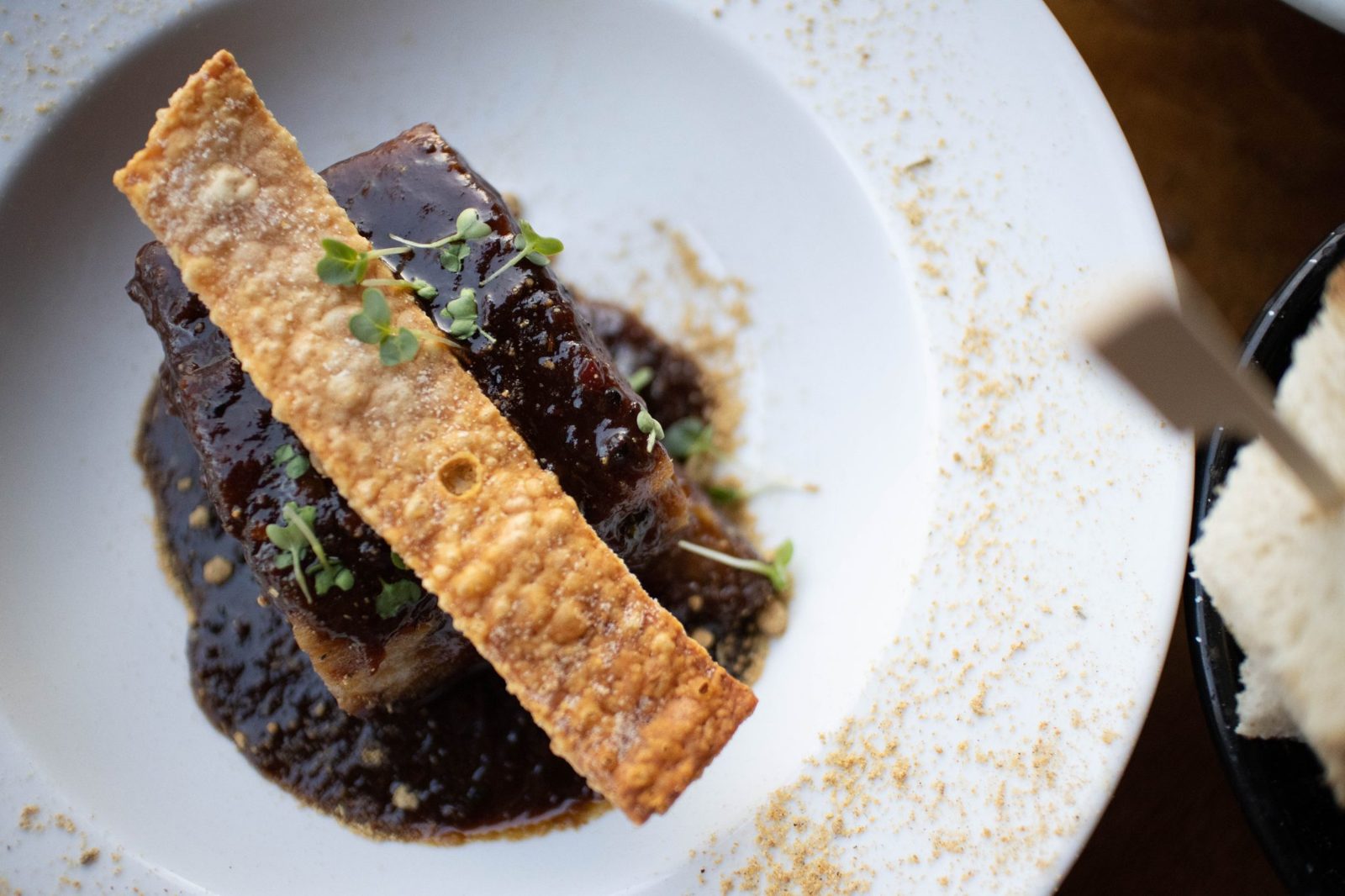
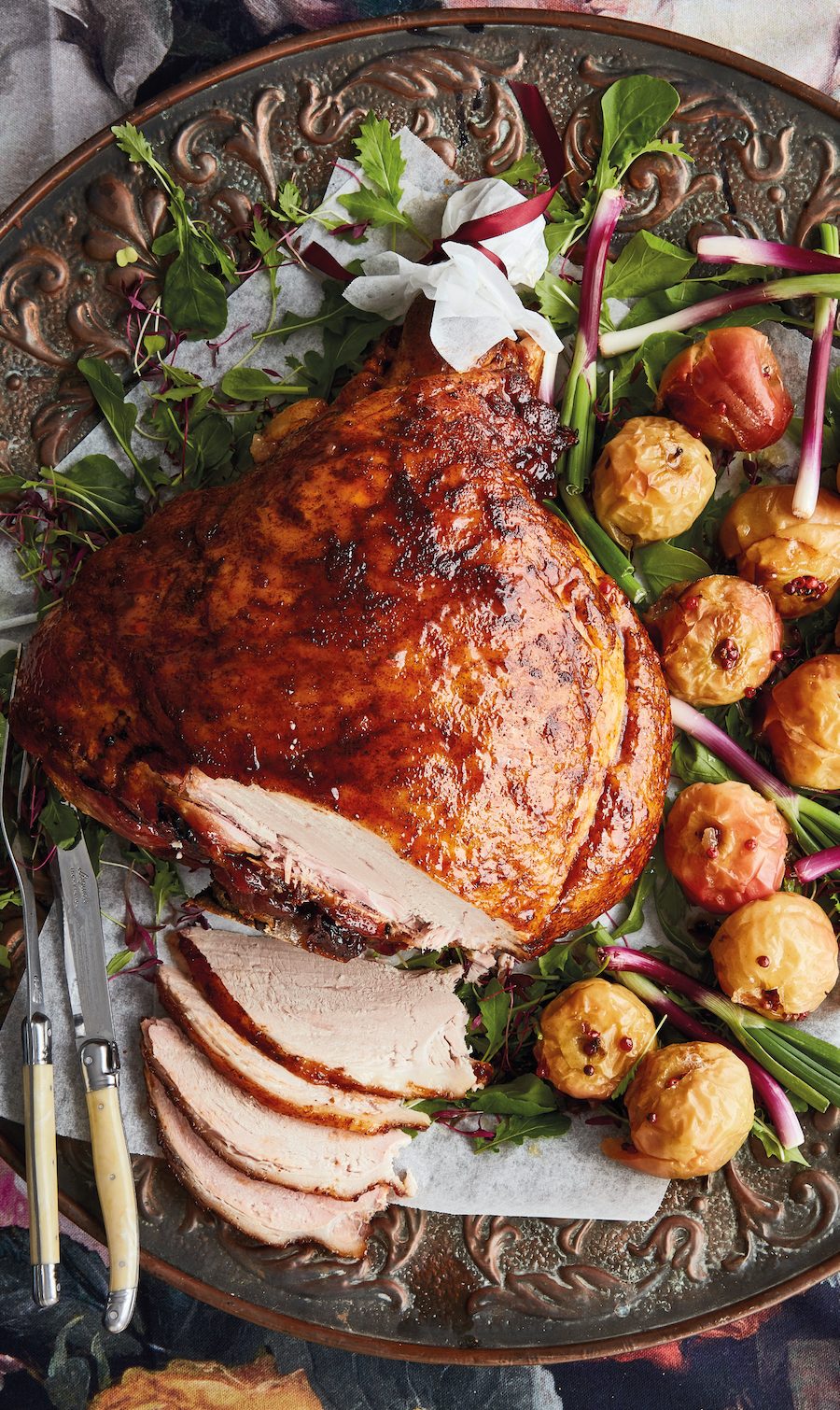
This Sticky Glazed Christmas Pork Belly recipe pairs a slow, gentle roast with a glossy apricot, orange and ginger coating. The meat becomes tender under foil before a hotter oven sets the glaze. Ask your butcher for a boneless, skinless piece of fairly even thickness: this version is about sticky edges and soft meat, rather than crackling.
For a hot South African Christmas, serve modest slices alongside crunchy cabbage salad, chilled green beans and a bowl of baby potatoes. You can do the slow roasting the day before, leaving only reheating and glazing for Christmas Day. Keep the extra glaze separate from the raw pork so it can safely be spooned over the finished slices at the table.
Ingredients
Pork belly
Orange and apricot glaze
To serve
Instructions
Slow-roast the pork
- 1Heat the oven to 160°C, or 140°C fan. Pat the pork dry. Lightly score the fat side in a diamond pattern, cutting through the surface fat without cutting deeply into the meat. Rub all over with the salt and pepper.
- 2Spread the onion and garlic in a roasting dish that holds the pork fairly snugly. Set the pork on top, fat side up, and pour the water around it. Cover the dish tightly with foil.
- 3Roast for 2 hours 30 minutes, checking after 2 hours that the dish has not dried out; add a splash of hot water if necessary. The pork should yield easily when pierced with a skewer. If still firm, cover and roast for another 20–30 minutes before continuing.
Make the glaze and finish
- 1While the pork roasts, combine all the glaze ingredients in a small saucepan. Bring to a gentle simmer, stirring, and cook uncovered for 5–7 minutes until slightly syrupy but still brushable. It will thicken as it cools. Pour one-third into a clean serving jug and reserve; use the remainder for brushing.
- 2Once the pork is tender, increase the oven to 220°C, or 200°C fan. Carefully lift the pork onto a clean, foil-lined roasting tray, fat side up. Leave the rendered fat and cooking liquid behind in the original dish.
- 3Roast the pork uncovered for 15 minutes to dry and lightly brown the surface. Brush generously with glaze, then roast for 8 minutes.
- 4Brush with another thin layer of glaze and roast for a further 5–7 minutes, until glossy and deep amber. Watch closely: the jam can catch quickly. Loosely cover any dark patches with foil rather than letting them burn.
- 5Rest the pork for 15 minutes, then cut into thick slices or small squares with a sharp knife. Warm the reserved glaze gently, adding a little water if needed, and spoon over the pork. Finish with parsley and serve with orange wedges.
Nutrition (per serving)
- Calories
- 850 kcal
- Carbohydrates
- 16 g
- Protein
- 24 g
- Fat
- 77 g
- Saturated fat
- 28 g
- Sugar
- 13 g
- Fibre
- 1 g
- Sodium
- 650 mg
- Cholesterol
- 115 mg
Estimated values based on the ingredients used.
Notes
Christmas tips
- For less oven time on Christmas Day, complete the covered slow roast the day before. Transfer the pork to a clean, shallow container, cool promptly and refrigerate within 2 hours, or within 1 hour if the room is hotter than 32°C. Keep at 4°C or below.
- To finish chilled pork, place it in a roasting dish with 60 ml water, cover and reheat at 160°C until the centre reaches 74°C; allow roughly 45–60 minutes, depending on thickness. Transfer to a clean tray, then follow the hot-oven browning and glazing steps. This extra reheating time is not included in the recipe's cooking time.
- Balance the rich pork with crisp salads and a tangy dressing. Put out smaller platters for an outdoor lunch and keep the rest properly hot or refrigerated rather than leaving it in the sun.
- Let the roasting juices cool before removing the fat. Discard the fat in the bin once solid, not down the sink; the remaining juices can be strained and used sparingly in gravy after tasting for salt.
Frequently asked questions
Can I use pork belly with the skin on?
Ask your butcher to remove the skin for this recipe. Glaze softens crackling, and the covered cooking method is designed for tender, skinless pork rather than a crisp rind.
How do I know when the pork belly is tender?
A skewer should slide into the thickest part with very little resistance. Pork belly often reaches around 90–95°C as it becomes tender, but texture is the best guide. If it still feels rubbery, continue the covered roasting before adding the glaze.
How long will leftovers keep?
Refrigerate promptly in a covered container and use within 3–4 days. Reheat only the amount needed, covered with a splash of water, until the centre reaches 74°C. The glaze may darken, so avoid reheating uncovered over high heat.