Articles
The cultural significance of south african melktert
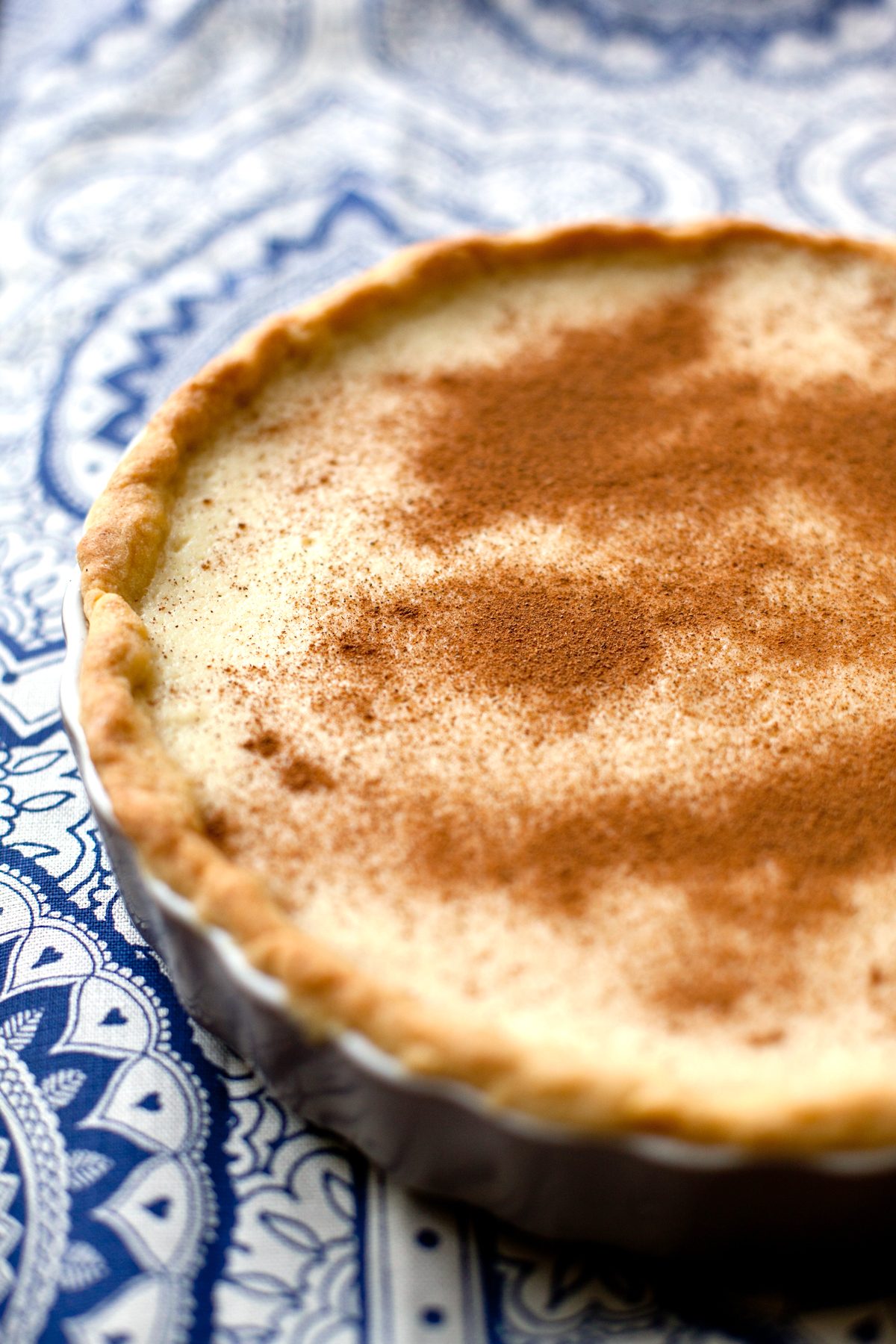
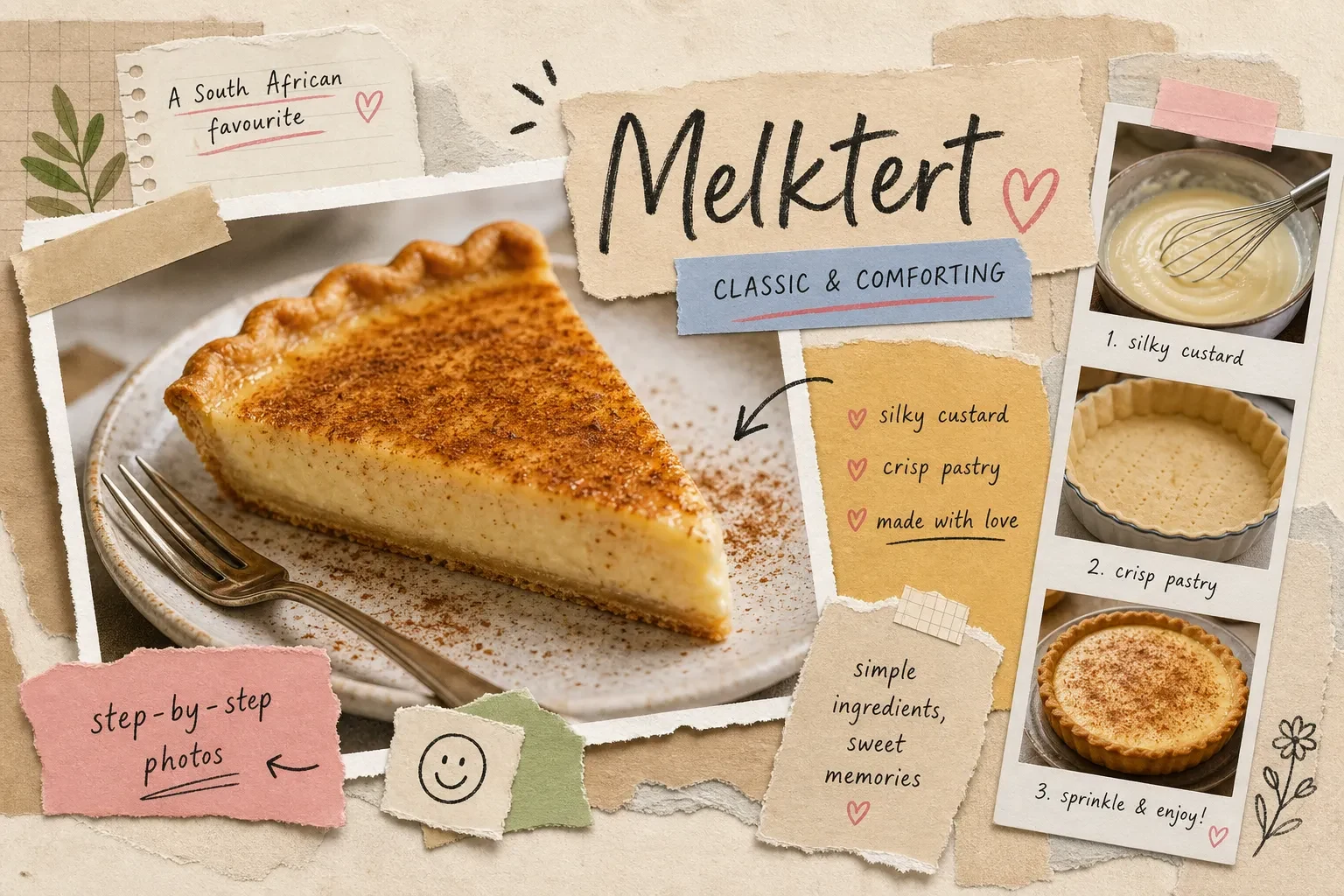
South Africa is a country rich in culinary traditions, and few desserts capture the essence of its diverse cultural tapestry quite like melktert. Translating to “milk tart” in Afrikaans, melktert is a beloved sweet treat characterized by its delicate custard filling, made primarily of milk, eggs, and sugar, set in a crisp pastry crust and often dusted with cinnamon. While its ingredients are simple, melktert holds deep cultural meaning, symbolizing heritage, home, and a shared national identity.
Melktert’s origins can be traced back to the early Dutch settlers who arrived at the Cape of Good Hope in the 1600s. Influenced by traditional Dutch custard tarts such as mattentaart, melktert evolved in the Cape Colony, adapting to local ingredients and tastes. The abundance of fresh dairy from livestock and locally milled flour made melktert a practical and comforting dessert in settler households.
Over time, melktert was further shaped by Cape Malay, Khoisan, and other indigenous influences, which enriched the colony’s culinary landscape. The tart’s evolution reflects South Africa’s complex history of colonization, migration, and cultural blending. Today, melktert is widely embraced by Afrikaners, Coloured communities, and English-speaking South Africans alike, each of whom may prepare it slightly differently, but all with pride and nostalgia.
In South African homes, melktert is more than just a dessert—it’s an emblem of hospitality and warmth. It is commonly served to guests with a cup of tea or rooibos, often brought out during family gatherings, Sunday lunches, school bake sales, or community events. Its presence on the table often evokes memories of grandmothers or mothers baking in the kitchen, infusing the home with the comforting scent of cinnamon and vanilla.
Because it uses simple pantry staples, melktert is accessible to most households, regardless of income level. This accessibility has made it a unifying dish, one that transcends class boundaries and brings people together. It is a dessert that says, “You are welcome here.”
Among Afrikaner communities, melktert holds particular cultural significance. It is considered a heritage dish, often passed down through generations with family-specific variations and secret techniques. Many Afrikaner cookbooks and boerekos recipe collections include melktert as a staple, and it features prominently at traditional gatherings, such as braais, kerk bazaars (church markets), and feesvieringe (celebrations).
Melktert’s place in Boerekos—a term that refers to traditional Afrikaner farm-style cooking—illustrates its role in affirming identity. In this context, preparing melktert is a way of preserving cultural memory and honoring ancestors. It is not uncommon for a grandmother’s melktert recipe to be treasured as a family heirloom, with the specific ratios and techniques forming part of an unspoken cultural inheritance.
What makes melktert even more culturally rich is the range of regional and personal variations that exist. Some prefer it with a baked filling, while others favor the stovetop method, where the custard is thickened before being poured into a pre-baked crust. The crust itself might be a buttery shortcrust, a puff pastry, or even a biscuit base.
In the Western Cape, for instance, Cape Malay families might infuse the tart with hints of cardamom or rosewater, reflecting the spice-laden heritage of their cuisine. In more rural farming areas, melktert might be made in large enamel dishes, with thick layers of custard and a rustic, hand-rolled pastry.
This adaptability makes melktert both a deeply personal and widely communal dessert. It allows for creative interpretation while maintaining a consistent essence—a silky, milky filling that comforts and delights.
As South Africa continues to evolve as a democratic and multicultural society, melktert remains a symbol of shared experience and cultural unity. It is found in supermarkets, school lunchboxes, and five-star restaurant menus. Food entrepreneurs sell it at local markets in the form of mini tarts, slices, or melktert-flavored milkshakes, ice cream, and even liqueurs.
Melktert is also making appearances in South African pop culture, often used in advertisements, movies, and media as a symbol of homegrown charm and national pride. Its name alone can evoke warm memories of childhood, community, and belonging.
More articles

How to make the classic rock shandy cocktail for your South African Christmas

7 Festive Gammon Recipes to Centre Your South African Christmas Table

South African Christmas Dinner: A Complete Festive Menu Guide