Denningvleis
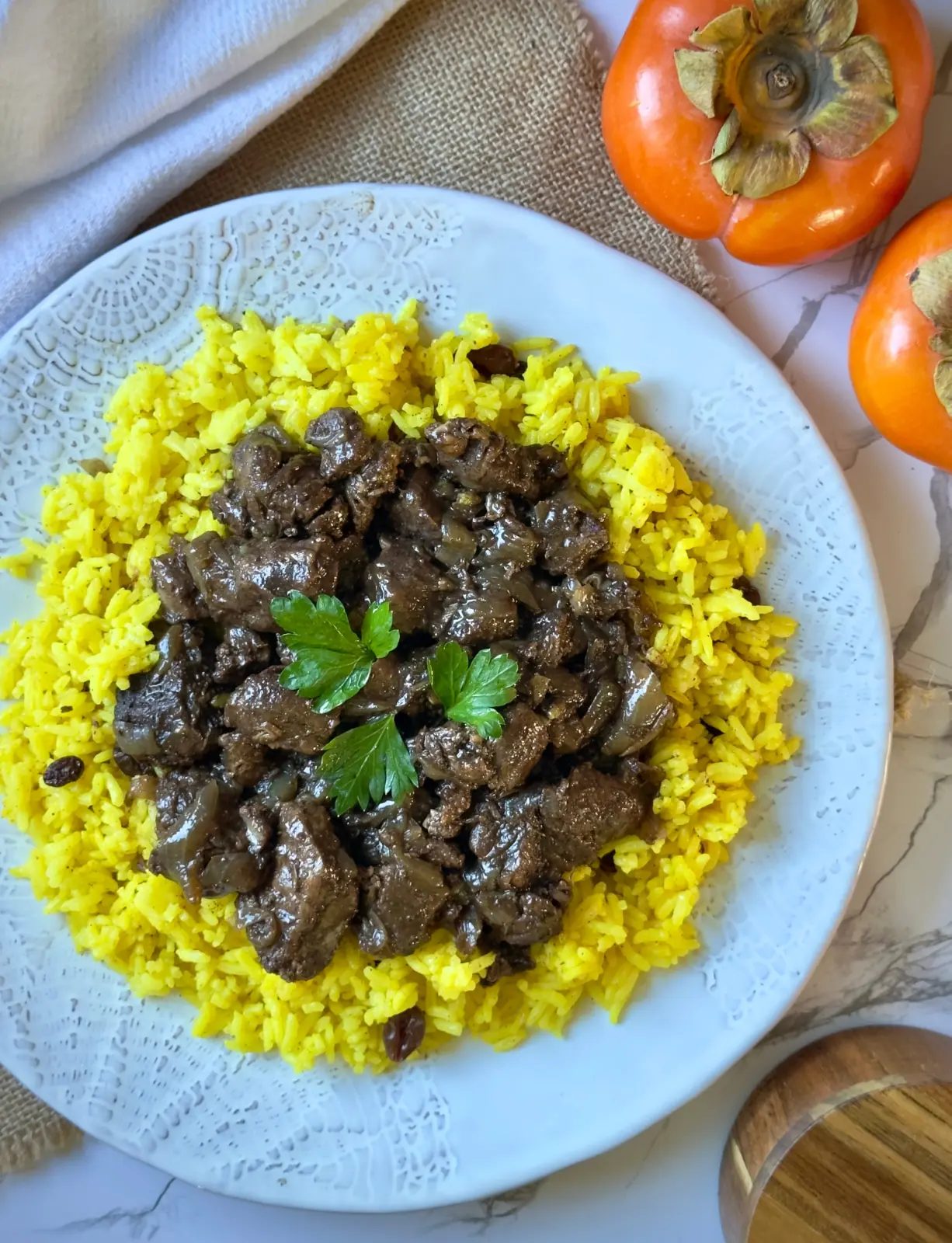
Image Source: Cook & Crumbs
Denningvleis is one of South Africa’s most cherished Cape Malay dishes, known for its distinctive sweet and sour flavor. This slow-cooked lamb or mutton stew has been enjoyed for generations and is a true reflection of the rich culinary heritage of the Cape. The dish is traditionally made with tender pieces of meat simmered with onions, garlic, spices, vinegar, and tamarind, which gives it a subtle tang that balances beautifully with the natural sweetness of the meat and the touch of brown sugar often added.
The magic of Denningvleis lies in its simplicity and the slow cooking process, which allows the flavors to develop deeply and the meat to become melt-in-your-mouth tender. While the stew is hearty and warming, it is also layered with delicate aromas from spices such as coriander, cinnamon, and allspice, creating a comforting and aromatic experience in every bite.
Traditionally served with yellow rice or plain white rice, Denningvleis is a dish that brings families together around the table. It is perfect for Sunday lunches or special occasions, yet simple enough to prepare for a cozy weeknight meal. Like many stews, it often tastes even better the next day, once the flavors have melded fully. Denningvleis is more than just a recipe; it is a taste of South African history and culture, a dish that embodies warmth, tradition, and the joy of sharing good food with loved ones.
Ingredients
Instructions
- 1Heat oil in a heavy pot. Brown the meat pieces well. Remove and set aside.
- 2In the same pot, fry onions until golden. Add garlic, coriander, ginger, allspice, and cinnamon. Cook gently for 1–2 minutes until fragrant.
- 3Return the meat. Add vinegar, tamarind, sugar, bay leaves, salt, and pepper. Stir well.
- 4Pour in the water/stock. Bring to a boil, then reduce heat and simmer gently for 1½ – 2 hours until the meat is very tender and the sauce thickens
- 5Adjust sweet-sour balance with extra sugar or vinegar if needed.
- 6Serve hot with yellow rice or plain white rice.
Nutrition (per serving)
- Calories
- 664 kcal
- Carbohydrates
- 15 g
- Protein
- 56 g
- Fat
- 41.4 g
- Saturated fat
- 14.8 g
- Sugar
- 10.9 g
- Fibre
- 1.3 g
- Sodium
- 480 mg
- Cholesterol
- 178 mg
Estimated values based on the ingredients used.
Notes
Christmas tips
Denningvleis is even better on Boxing Day because the flavours deepen overnight. Make it a day ahead, cool quickly, then refrigerate; reheat gently so the meat stays tender and the sauce doesn’t split. Serve it with geelrys, a crisp salad, and a spoon of something sharp like soetmosterd to balance the sweet-sour gravy. If you’re feeding a crowd, keep denningvleis warm in a low oven while you dish up sides and slice dessert.
Frequently asked questions
Can I make it ahead for Christmas Day?
Yes. Cook it the day before, let it cool, then refrigerate overnight. Reheat slowly on the stove, adding a splash of water if the sauce has thickened. The taste usually improves after resting.
What cut of meat works best?
Choose a cut suited to slow cooking, with a bit of fat and connective tissue so it becomes tender as it simmers. Avoid very lean, quick-cooking cuts, which can turn dry and stringy.
How do I balance the sweet-and-sour flavour?
Taste near the end of cooking. If it’s too sweet, add a little more vinegar or lemon juice; if too sharp, add a touch of sugar or extra dried fruit. Small adjustments work best.
Serve it with
Round out your Christmas plate with these classic South African sides and dessert:
- Yellow Rice with Raisins (Geelrys) – Sweet, fragrant rice that soaks up the rich sauce.
- Rooikool met Appel – Tangy red cabbage adds crunch and freshness.
- Traditional Outydse Soetmosterd – Sharp-sweet mustard cuts through the stew’s richness.
- Traditional South African Milk Tart – Cooling cinnamon custard finish after a hearty main.